

NVIDIA Ignites the Optical Backbone of AI: Chinese Supply Chain Leaders Deliver 10x+ Gains as the Regime Shifts to Physical Interconnects

Daily Market Read III | Category: regime read | Date: May 7, 2026
Tiger Capital Research
NVIDIA’s latest $500 million strategic investment in Corning,aimed at massively expanding U.S. optical fiber production capacity for AI data centers, is delivering that the AI infrastructure regime has entered its new structural phase: the physical interconnect layer is no longer a supporting player. It is becoming a primary driver of scale, cost, and competitive advantage.
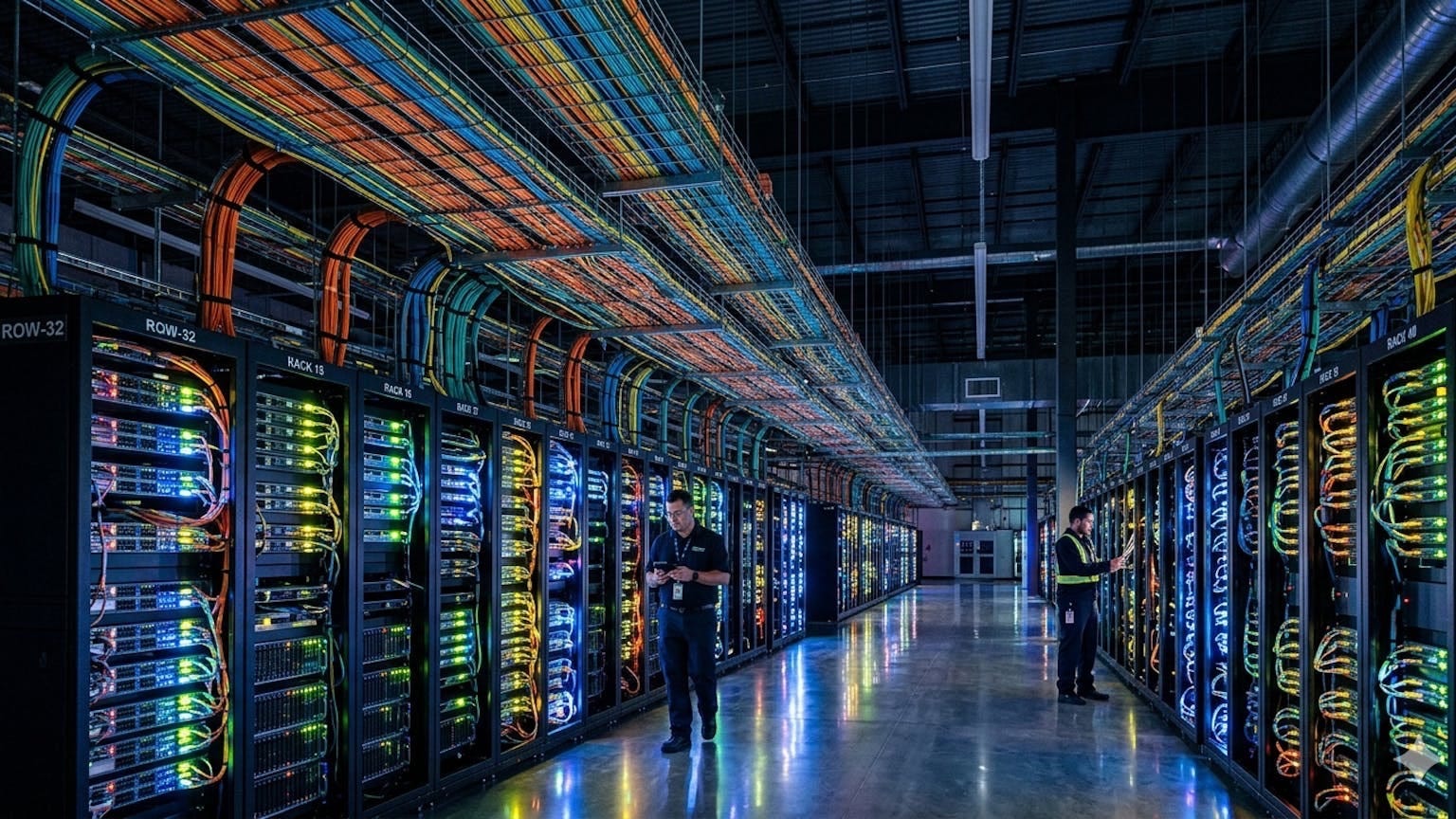
The numbers tell that, Since the A-share rally kicked off in earnest on September 24, 2024, leading Chinese optical fiber and communication names have posted extraordinary gains. Changfei Optical Fiber has surged more than 1,500%, Yongding Shares over 1,100%, while peers such as Hengtong Optic-Electric and Tongding Interconnection have delivered 300–400%+ returns. They reflect investors who positioned nearly two years ago for the moment when AI’s explosive data-movement demands would turn optical fiber, high-speed modules, and co-packaged optics (CPO) into critical bottlenecks.
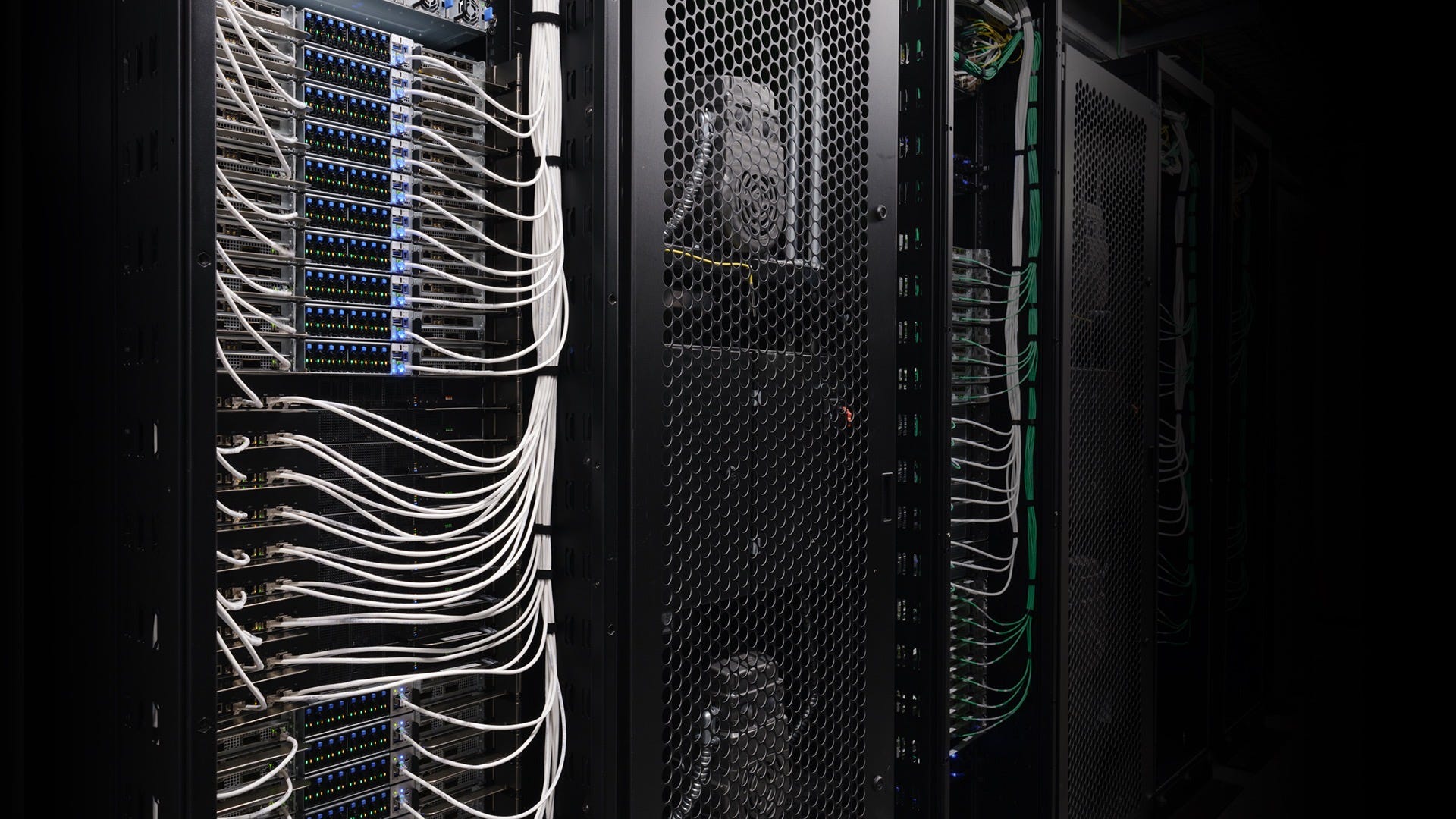
The immediate market reaction to the NVIDIA-Corning news was predictable: multiple optical concept stocks hit daily limits in China, and Corning itself jumped sharply in pre-market trading. Yet the real regime read runs deeper. As hyperscale AI clusters grow ever larger, traditional copper interconnects simply cannot keep up with the bandwidth and latency requirements. Light-based optical solutions, from specialty fiber to advanced transceivers, have become the indispensable “plumbing” that makes massive parallel compute possible. Fiber prices for key data-center grades have already skyrocketed several hundred percent in recent quarters, and lead times on preforms and specialized manufacturing remain extended. Supply is structurally tight precisely when demand is structurally exploding.
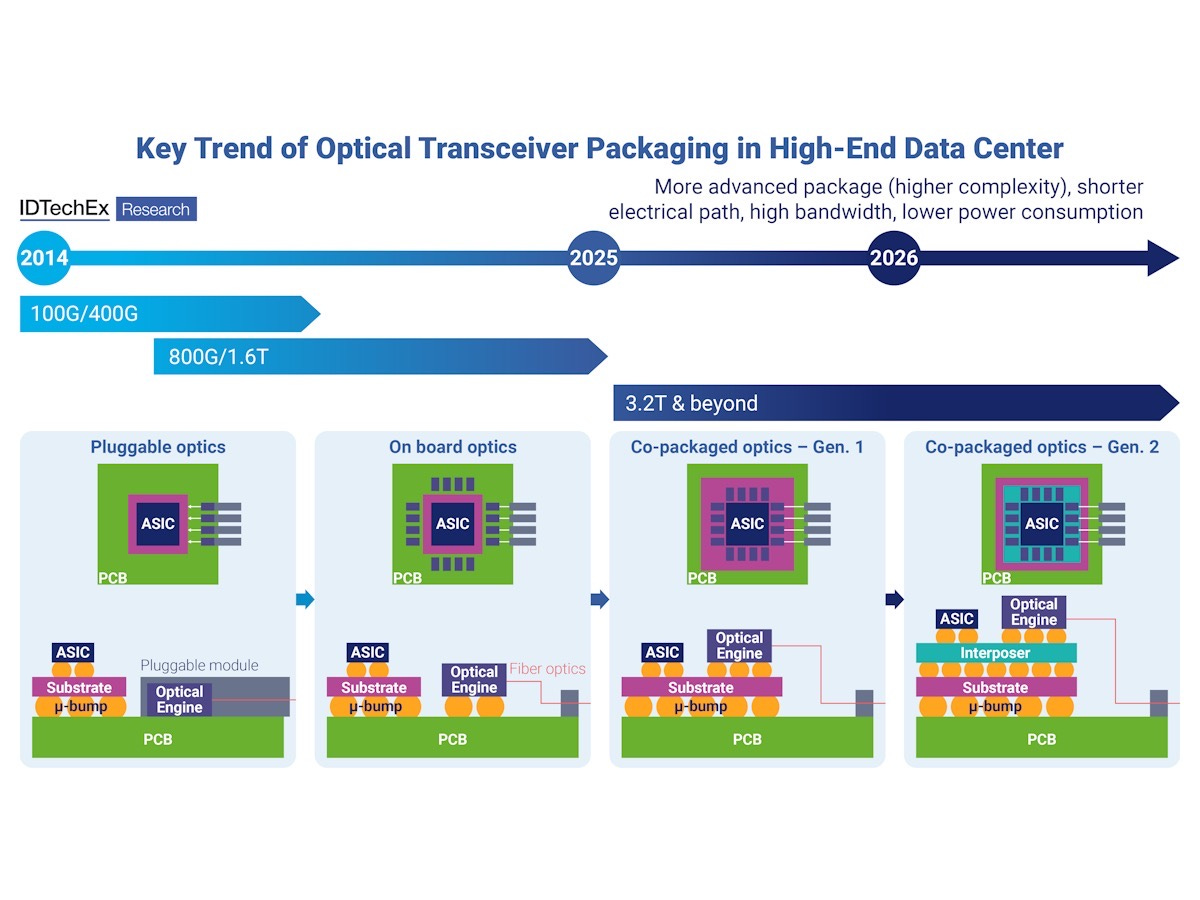
NVIDIA’s move underscores a broader truth: the company is deliberately securing the full stack. After earlier investments in photonics and optical connectivity players, this latest commitment to Corning signals confidence that the optical layer will remain a durable, high-conviction part of the AI buildout for years to come. It also highlights how global AI infrastructure is evolving into a truly multi-region story, even as Western players ramp domestic capacity, established leaders in Asia with decades of scale, technology, and cost leadership in fiber and modules are already delivering outsized results.
For investors, The first wave was about raw compute power and GPU leadership. The next wave, already underway, belongs to the enablers of scale: the optical backbone, interconnects, and physical infrastructure that turn theoretical exaflops into deployable, energy-efficient reality. Companies that control or supply this layer are transitioning from cyclical to structural compounders.
NVIDIA’s investment didn’t create this optical infrastructure boom, it simply confirmed what early-positioned investors in the Chinese supply chain had already recognized. We remain constructive on leaders across the broadened AI stack: those with proven execution in high-speed optical fiber, advanced modules, CPO technology, and the full interconnect ecosystem. The early 10x+ moves by select A-share names show that parts of the market got this regime shift well ahead of the latest headlines. As physical constraints become more visible and pricing power more evident, we expect the investment focus to continue migrating downstream into these enabling layers. The optical and physical connectivity backbone is today’s, and tomorrow’s , critical arena for durable AI infrastructure winners.
Tiger Capital Research
Not Investment Advice